Hysterectomy Surgery in Kasba Peth, Pune | Expert Hysterectomy Specialist | Dr. Nisha Ghumare Alaspure
Located in Kasba Peth, Pune, our clinic welcomes women from Shaniwar Peth, Sadashiv Peth, Narayan Peth, Raviwar Peth, Budhwar Peth, Nana Peth, Rasta Peth, Camp, Shivajinagar, Swargate, Yerawada, Deccan, Pune Station, Koregaon Park, Erandwane, Kothrud, and nearby areas.
What is a Hysterectomy?
A hysterectomy is a surgical procedure to remove the uterus (womb). Depending on the underlying condition, the surgery may also involve removal of the cervix, fallopian tubes, or ovaries when medically indicated.
Following a hysterectomy:
Menstrual periods stop permanently.
Pregnancy is no longer possible.
Many women experience significant relief from symptoms affecting their daily life.
The type of hysterectomy recommended depends on the patient's diagnosis, age, reproductive goals, and overall health.
When is a Hysterectomy Recommended?
A hysterectomy may be advised for women with:
Large Uterine Fibroids
Heavy Menstrual Bleeding
Adenomyosis
Endometriosis
Chronic Pelvic Pain
Uterine Prolapse
Recurrent Abnormal Uterine Bleeding
Precancerous Changes of the Uterus or Cervix
Certain Gynecological Cancers (with referral to a gynecologic oncology team when appropriate)
Persistent Symptoms Not Responding to Medical Treatment
Every patient undergoes a thorough evaluation before surgery to determine whether hysterectomy is the most appropriate treatment.
Types of Hysterectomy
Total Hysterectomy
Removal of the uterus along with the cervix. This is the most commonly performed type of hysterectomy.
Subtotal (Supracervical) Hysterectomy
Removal of the uterus while preserving the cervix in selected cases.
Radical Hysterectomy
A more extensive procedure performed for selected cancer cases in collaboration with specialized gynecologic oncology teams.
Surgical Approaches
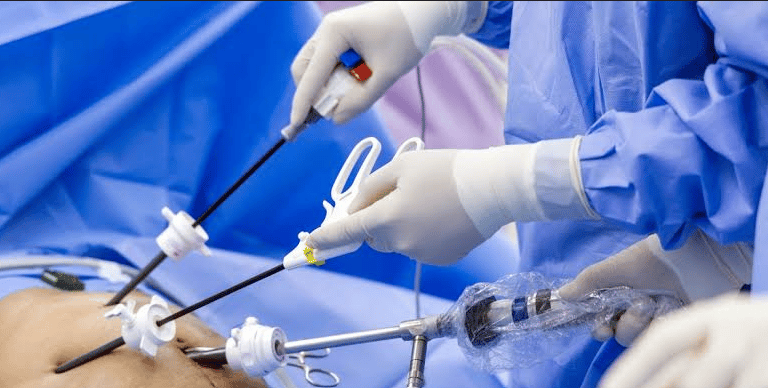
Laparoscopic Hysterectomy
A minimally invasive procedure performed through small incisions using a laparoscope.
Benefits include:
Smaller Scars
Less Pain
Reduced Blood Loss
Lower Infection Risk
Faster Recovery
Shorter Hospital Stay
Vaginal Hysterectomy
The uterus is removed through the vagina without an abdominal incision. This approach may be suitable for selected patients.
Abdominal Hysterectomy
Performed through an abdominal incision when required based on the patient's condition, uterine size, or surgical complexity.
Conditions Treated with Hysterectomy
Dr. Nisha Ghumare Alaspure provides expert management for women with:
Uterine Fibroids
Adenomyosis
Endometriosis
Chronic Pelvic Pain
Heavy Menstrual Bleeding
Recurrent Abnormal Uterine Bleeding
Uterine Prolapse
Benign Uterine Disorders
Selected Precancerous Gynecological Conditions
Symptoms That May Require Evaluation
Consult a gynecologist if you experience:
Heavy Menstrual Bleeding
Bleeding Between Periods
Severe Pelvic Pain
Painful Periods
Large Fibroids
Pressure in the Lower Abdomen
Difficulty Passing Urine Due to Fibroids
Chronic Pelvic Discomfort
Uterine Prolapse Symptoms
Persistent Abnormal Uterine Bleeding
Comprehensive Preoperative Assessment
Before surgery, every patient receives a detailed evaluation including:
Complete Gynecological Consultation
Medical History Review
Pelvic Examination
Ultrasound Evaluation
Blood Investigations
Medical Fitness Assessment
Personalized Surgical Counseling
Discussion of Treatment Options
Benefits of Minimally Invasive Hysterectomy
When appropriate, laparoscopic surgery offers several advantages over traditional open surgery:
Smaller Incisions
Minimal Scarring
Reduced Blood Loss
Less Pain
Lower Infection Risk
Quicker Recovery
Earlier Return to Daily Activities
Shorter Hospital Stay
Recovery After Hysterectomy
Recovery varies depending on the surgical approach and individual health.
Our postoperative care includes:
Pain Management
Wound Care
Early Mobilization
Nutrition Counseling
Infection Prevention
Activity Guidance
Follow-up Visits
Long-Term Women's Health Advice
Most women can gradually return to their normal daily routine after completing the recommended recovery period.
Life After Hysterectomy
Following recovery, many women experience significant improvement in their quality of life.
Benefits may include:
Freedom from Heavy Menstrual Bleeding
Relief from Chronic Pelvic Pain
Improvement in Fibroid Symptoms
Better Daily Comfort
Improved Physical Activity
Better Sleep
Enhanced Overall Well-being
Why Choose Dr. Nisha Ghumare Alaspure?
MBBS, MS (Obstetrics & Gynecology)
7+ Years of Experience
Expertise in Advanced Gynecological Surgery
Skilled in Laparoscopic Gynecology
Personalized Treatment Plans
Evidence-Based Women's Healthcare
Compassionate Patient Care
Comprehensive Pre- and Postoperative Support
Ethical & Transparent Medical Practice
Trusted by Women Across Pune
Why Choose Vidhan Clinic Orthopedic & Maternity Centre?
Comprehensive Women's Healthcare
Advanced Gynecological Evaluation
Minimally Invasive Surgical Expertise
Personalized Care Plans
Modern Diagnostic Support
Comfortable Consultation Environment
Affordable Women's Healthcare
Convenient Location in Kasba Peth
Areas We Serve
Women visit our clinic from:
Kasba Peth
Shaniwar Peth
Sadashiv Peth
Narayan Peth
Raviwar Peth
Budhwar Peth
Nana Peth
Rasta Peth
Somwar Peth
Camp
Shivajinagar
Swargate
Yerawada
Pune Station
Deccan
Koregaon Park
Erandwane
Kothrud
Sangamwadi
Entire Pune
Frequently Asked Questions
What is the most common reason for a hysterectomy?
The most common reasons include uterine fibroids, heavy menstrual bleeding, adenomyosis, endometriosis, chronic pelvic pain, and uterine prolapse.
Is laparoscopic hysterectomy better than open surgery?
For many women, laparoscopic hysterectomy offers benefits such as smaller incisions, less postoperative pain, faster recovery, and a shorter hospital stay. However, the most appropriate surgical approach depends on the individual's condition and should be determined by the treating gynecologist.
How long does recovery take after a hysterectomy?
Recovery time depends on the type of hysterectomy and surgical approach. Women undergoing minimally invasive procedures generally recover more quickly than those undergoing open abdominal surgery.
Will I have menstrual periods after a hysterectomy?
No. Since the uterus is removed during a hysterectomy, menstrual periods stop permanently.
Can I become pregnant after a hysterectomy?
No. Pregnancy is not possible after the uterus has been removed.
Book Your Hysterectomy Consultation in Kasba Peth, Pune
If you are experiencing heavy menstrual bleeding, fibroids, adenomyosis, endometriosis, chronic pelvic pain, uterine prolapse, or recurrent abnormal uterine bleeding, expert evaluation can help determine the most suitable treatment for your condition.
At Vidhan Clinic Orthopedic & Maternity Centre, Dr. Nisha Ghumare Alaspure provides compassionate consultation, comprehensive evaluation, and advanced hysterectomy care with a focus on patient safety, minimally invasive techniques where appropriate, and faster recovery.
If you are looking for the best hysterectomy specialist in Kasba Peth, Pune, book your consultation today and receive personalized women's healthcare designed to improve your comfort, health, and quality of life.
Hysterectomy Surgery in Kasba Peth, Pune
Advanced, Safe & Personalized Hysterectomy Care for Women's Health
A hysterectomy is one of the most commonly performed gynecological surgeries for women experiencing severe uterine conditions that significantly affect their health and quality of life. When medications or less invasive treatments are no longer effective, hysterectomy can provide long-term relief from chronic symptoms such as heavy menstrual bleeding, large fibroids, chronic pelvic pain, adenomyosis, and certain precancerous conditions.
At Vidhan Clinic Orthopedic & Maternity Centre, Dr. Nisha Ghumare Alaspure (MBBS, MS Obstetrics & Gynecology) provides comprehensive consultation, evaluation, surgical planning, and postoperative care for women requiring hysterectomy. With over 7 years of experience in gynecology, infertility, and advanced gynecological endoscopy, she offers individualized treatment plans using evidence-based and minimally invasive surgical approaches whenever appropriate.